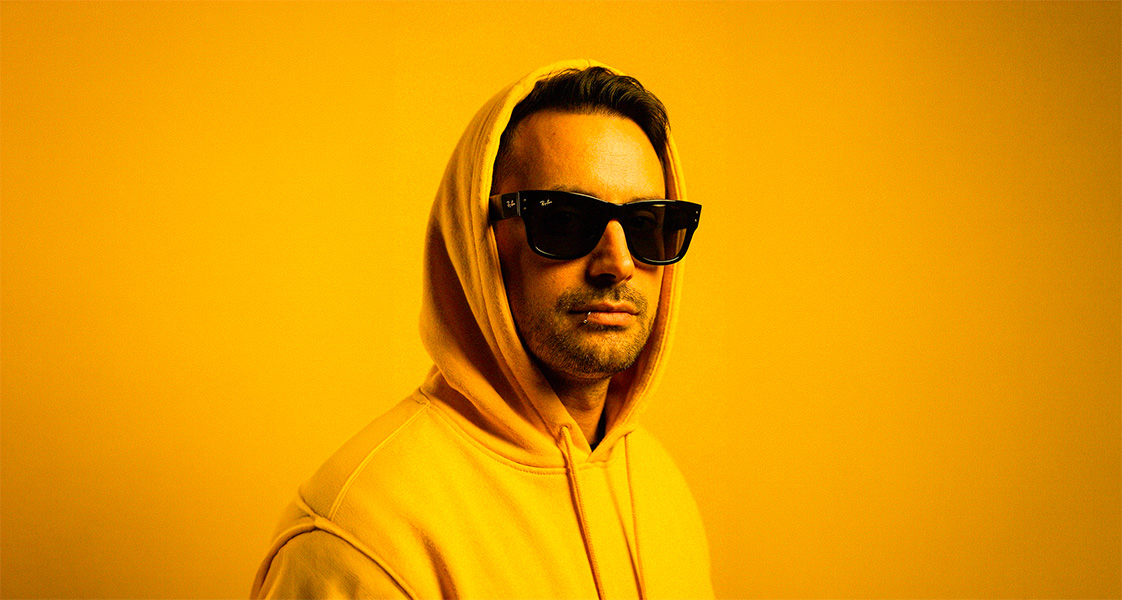

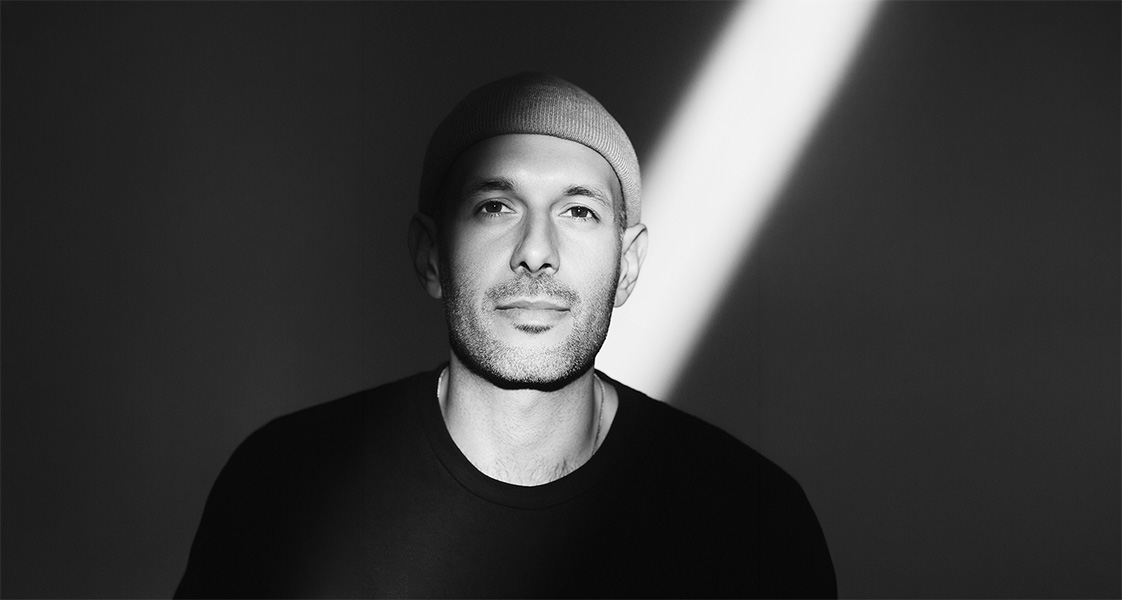
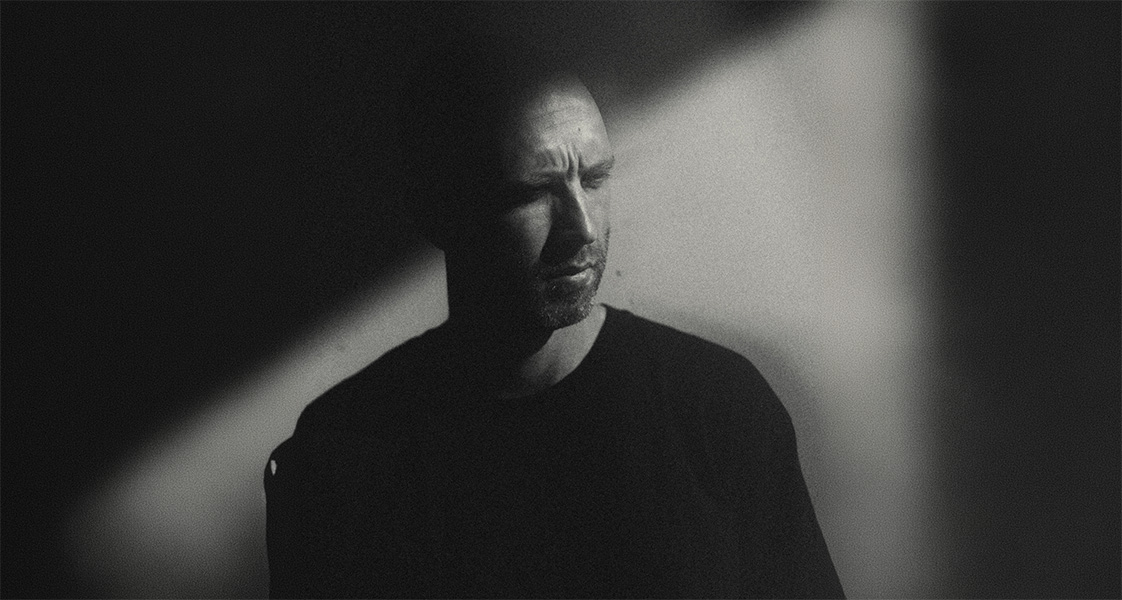
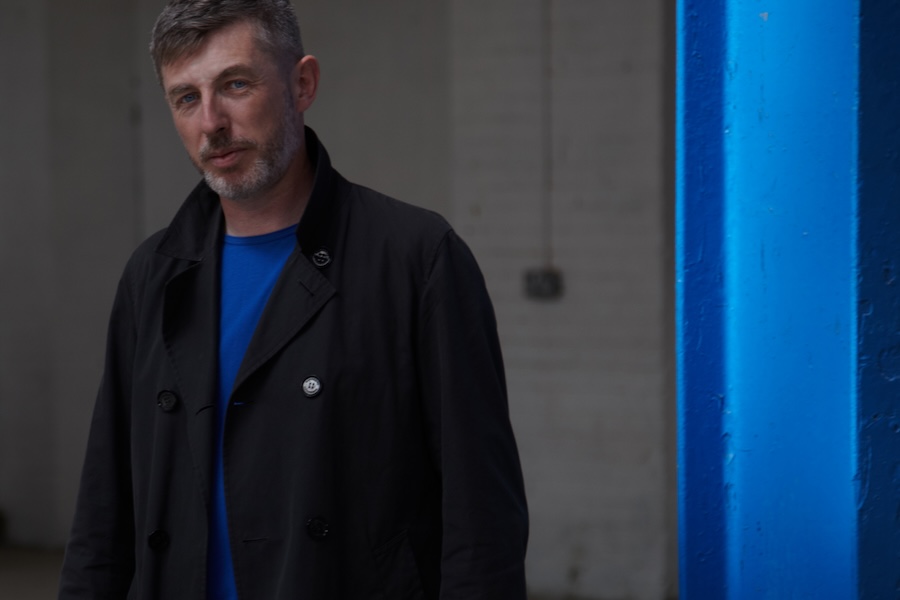

Argentine producer Emi Galvan returns to Sudbeat with ‘I Wish’, a three-track EP rooted in longing, restraint, and emotional release. Across ‘I Wish’, ‘Mily’, and ‘Boomera’, he moves from vulnerability to warmth and club-ready force, shaping a record that feels deeply personal while staying locked to the dancefloor. Speaking with When We Dip, Emi reflects on the vocal that gave the EP its name, his connection to Sudbeat, and the moments that only happen when the right track meets the right room.
WWD: Hello Emi, welcome to When We Dip!
Thanks a lot for the invitation!
WWD: ‘I Wish’ feels like a record that reveals itself slowly: patient, detailed, and built for late-night moments. When you listen back to the EP now, what emotional space do you hear yourself in?
Honestly, I hear a kind of longing. Not sadness exactly, but that feeling you get when something has already passed and you’re not sure if you made the right choice. I was in a very reflective moment when I made these tracks. Not dramatic, just quiet and honest with myself. I think that’s why the EP doesn’t rush anywhere. It felt wrong to force energy into music that was coming from a calm, searching place.
WWD: The title ‘I Wish’ is simple, but it carries a lot of weight. Was there a specific wish, memory, or feeling behind the name, or did it arrive more as a mood?
It came from the vocal in the title track. There’s a line that says “if you don’t want to talk just say so, I wish I was never there.” That hit me hard when I first heard it. That tension between wanting the truth and being afraid of it, I think everyone has felt that at some point. The moment I heard those words over the music I was building, I knew that was the name of the EP. It wasn’t a concept I planned. It just arrived and I recognized it.
WWD: The EP brings together three tracks in ‘I Wish’, ‘Mily’, and ‘Boomera’. What made these three tracks belong together as one release?
They were made in a similar emotional period and they have the same energy underneath, even if they express it differently. ‘I Wish’ is the most vulnerable. “Mily” is named after my cat, it has this soft, warm quality that I associate with her, that kind of quiet company she gives you. And “Boomera” is the one with the most force — the name literally comes from the word bomba, because when it drops it hits hard. Together they form a journey: vulnerability, warmth, and release. That felt like a complete story.
WWD: You have spoken before about musical ideas starting in your head, sometimes even as melodies recorded into your phone. Did any part of this EP begin from one of those rough, instinctive sketches?
Yes, always. I can be anywhere; on a plane, walking, trying to sleep, and something comes. I’ll record a voice note, just humming, just the shape of an idea. Some of those recordings are embarrassing to listen to later but they hold the soul of the track before the studio gets involved. With this EP there were definitely moments like that. The melody comes first, before any sound design, before anything technical. That’s probably still my rock guitarist brain — melody is always the anchor.
WWD: Your music often has a strong sense of movement without ever feeling overloaded. Coming from a musical background, do you still think about electronic music in terms of phrasing, tension, and performance?
Completely. When I was playing guitar in bands, everything was about dynamics, when to pull back, when to push, how silence can be as powerful as sound. I never stopped thinking that way. In electronic music a lot of people fill every space, add a new element every few bars to keep attention. But I think real tension comes from restraint. If you hold something back long enough, when it finally arrives it means something. I learned that playing Nirvana, Korn, 311 — those songs know exactly when to explode and when to be completely quiet. That never left me.
WWD: Arrangement seems especially important in your sound. Which track on I Wish was the hardest to finish structurally, and what finally unlocked it?
‘I Wish’ itself was the hardest. The vocal was so specific and emotional that every arrangement decision felt like it could either support it or destroy it. I had versions where there was too much going on around it, the vocal got lost. Then I stripped almost everything away and the track suddenly breathed. What unlocked it was trusting the vocal to carry the weight on its own. Once I stopped trying to add things and started removing them, it came together quickly.
WWD: There is a quiet confidence to this EP. It does not try to force a peak-time reaction every few bars. Do you think there is more value now in records that shift the energy of a room gradually?
I do, and I think the dancefloor is telling us that. People are tired of music that is always at maximum. There’s no contrast, no journey. When every moment is designed to peak, nothing actually peaks, it all just becomes noise. The records I remember most from nights out are the ones that made the room shift slowly, that made you look up and realize something had changed without you noticing exactly when. That’s what I want to do. I want people to feel it before they can explain it.
WWD: You often test tracks live before returning to the studio for final changes. What did the dancefloor teach you about these tracks before they were released?
The dancefloor always shows you the truth. You can convince yourself in the studio that something works, but in front of people there’s nowhere to hide. With these tracks I learned mostly about timing, how long certain elements could hold before needing to evolve, where the crowd needed something to happen even if it was subtle. Some changes were small, just a few bars here and there, but they made the difference between a track that builds properly and one that loses the room for a moment. The dancefloor is my final mix.
WWD: Sudbeat feels like a natural home for this record, a label associated with warmth, patience, and progressive music that tells a story. What does releasing I Wish on Sudbeat mean to you at this stage of your career?
It means a lot, not just professionally but personally. Sudbeat is where I first released music that felt fully like me, my first release there was in 2018, and that moment changed things. The label has a philosophy that aligns completely with how I think about music: it’s not about trends, it’s about feeling. Releasing I Wish there now, at this point in my career, feels like coming home with something I’m genuinely proud of. It’s a validation that the direction I’m going is the right one.
WWD: Hernán Cattáneo and the Sudbeat circle have been connected to your journey for a long time. How has your relationship with that world evolved since your earlier releases?
His first support of my music was around 2017, and at that time it felt almost unreal. Hernán is not just a DJ, he’s the reference for this entire genre in Argentina and far beyond. When he plays your track it’s not just exposure, it’s an endorsement of quality. Over the years the relationship has grown into something more natural. He continues to support my music consistently, and that means he hears something genuine in what I do. I don’t take that lightly. It pushes me to keep earning it.
WWD: Argentina’s Progressive House culture is often spoken about with a kind of mythology from the outside. From inside the scene, what do people understand correctly about it, and what do they usually miss?
What people understand is that the music matters, that Argentinians take this genre seriously, that we have roots and references and a real culture around it. What they usually miss is the emotional intensity of the crowd. When an Argentinian goes to a club, they’re not going to observe. They go to give everything. There’s a kind of collective surrender in an Argentine dancefloor that I haven’t experienced in the same way anywhere else in the world. It’s not just dancing, it’s almost ritualistic. You can feel it from the stage, that energy is real and it pushes you as an artist to play better.
WWD: What part of your earlier musical life still appears in your records, even if listeners might not immediately notice it?
The way I build melodic tension. In rock, especially the bands I grew up with, Nirvana, Korn, 311 — a song is a conversation between quiet and loud, between control and release. I still think that way. The drop in one of my tracks is not so different from the chorus of a rock song, it’s a release that only works because of what came before. I also think about the emotional directness of rock songwriting. The lyrics in I Wish, the rawness of that vocal, that’s not far from what I loved about those records at 16.
WWD: You have described yourself as a producer first, although DJing has become more balanced in your life over time. Has that balance changed the way you make music?
Yes, deeply. The more I play live, the more I understand what music needs to do in a room, and that changes what I build in the studio. There was a time when I made music almost entirely from a producer’s perspective, thinking about sound design, arrangement, craft. Now I’m always asking: how does this feel when you’re in front of it? The DJ and the producer in me are in constant conversation. I think I Wish is the most balanced result of that dialogue so far.
WWD: You have said you prefer longer sets because they give you time to build intensity and tell a proper story. Where would I Wish sit in one of those longer Emi Galvan journeys?
‘Mily’ would come early, it’s warm and inviting, something to settle the crowd into a feeling. ‘I Wish’ belongs in that deep middle section, when the room is fully in it and you can take them somewhere more emotional and open. ‘Boomera’ is for later, when everyone is already there and you want to give them something with real force. Together they map almost perfectly onto how I think about a long set: connection, depth, release.
WWD: After people hear this EP in a club, what do you hope stays with them the next morning: a melody, a feeling, a moment in the room, or something harder to name?
Something harder to name. A melody is great, a feeling is better — but what I really want is for them to remember a moment. That instant when the room shifted, when something changed in the air and everyone felt it at the same time, even if nobody said a word. Those moments are why I make music. They can’t be planned or engineered. They just happen when the right track meets the right room and the right crowd. If I Wish gives someone even one of those moments, that’s everything.
WWD: Thanks a lot for chatting with us Emi, good luck!
Thank You When We Dip!